

Waste Heat Recovery – A Secondary Source of Energy of Primary Importance

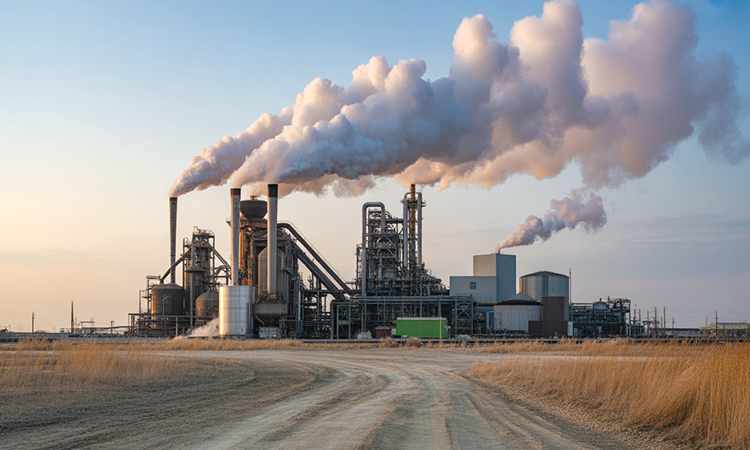
In an era when sustainability, energy efficiency, and decarbonization have become global imperatives, the importance of waste heat recovery (WHR) cannot be overstated. Every industrial operation—from steelmaking and cement production to chemical processing and power generation—generates a significant amount of heat that is often lost to the environment. Harnessing this “waste” heat and converting it into useful energy represents one of the most direct and cost-effective ways to improve overall energy efficiency and reduce carbon emissions. Indeed, waste heat recovery is emerging as a secondary source of energy of primary importance—a hidden resource that can transform the industrial energy landscape.
The Concept of Waste Heat Recovery
Waste heat recovery involves capturing and reusing the heat that would otherwise be dissipated into the atmosphere from industrial processes, exhaust gases, cooling systems, or other thermal discharges. This recovered heat can be utilized in several ways—preheating combustion air or feedwater, driving turbines for power generation, or providing process or space heating.
In simple terms, WHR helps to close the loop in the energy chain, ensuring that the energy invested in production is maximized and less is wasted. Since energy is a major input cost across industries, recovering even a fraction of this wasted heat can lead to substantial economic and environmental benefits.
Industrial Sources of Waste Heat
Almost every industrial sector that relies on high-temperature processes produces recoverable waste heat. Key examples include:
• Cement Industry: Kiln exhaust gases and cooler vent air contain large quantities of recoverable heat energy.
• Iron & Steel Plants: Furnaces, reheating operations, and rolling mills generate high-temperature flue gases ideal for heat recovery.
• Glass and Ceramics: Melting and firing operations produce continuous streams of hot exhaust gases.
• Chemical & Petrochemical Industries: Heat is released during exothermic reactions and from process vent streams.
• Power Plants: Flue gases and steam condensate carry significant residual energy.
• Food Processing, Pulp & Paper, and Textiles: Medium- to low-grade heat losses occur in dryers, evaporators, and boilers.
The quality and usability of waste heat depend on its temperature level—high-grade heat (above 400°C) can be directly used for power generation or process heating, while medium- and low-grade heat (below 400°C) can be reused for preheating or space conditioning.
Technologies for Waste Heat Recovery
Over the years, a wide range of technologies have been developed to capture and utilize waste heat efficiently. Some of the most widely adopted systems include:
1 Recuperators and Regenerators:
Heat exchangers that transfer heat from exhaust gases to incoming air or fluid. They are commonly used in furnaces and kilns.
2 Heat Exchangers:
Plate, shell-and-tube, and air-preheater types recover heat from flue gases or hot process fluids for preheating feedwater or combustion air.
3 Waste Heat Boilers (WHRB):
Convert recovered heat into steam for process use or to drive turbines for power generation—common in cement and steel industries.
4 Organic Rankine Cycle (ORC) Systems:
Generate power from low- to medium-temperature heat sources using organic fluids with low boiling points.
5 Thermoelectric Generators (TEGs):
Directly convert temperature differences into electrical power—suitable for small-scale or remote applications.
6 Heat Pumps:
Recover low-temperature waste heat and upgrade it for reuse in process heating.
7 Absorption Chillers:
Utilize waste heat to drive refrigeration cycles for process or comfort cooling.
Waste Heat to Power – Turning Heat into Electricity
One of the most compelling applications of WHR is Waste Heat to Power (WHP). In this approach, the recovered thermal energy is converted into electrical energy, typically through Rankine or Organic Rankine Cycles. This is particularly relevant in heavy industries such as cement, steel, and glass manufacturing, where exhaust gases can reach temperatures above 300°C.
The electricity generated through WHR not only reduces dependence on grid power but also lowers operational costs and enhances energy security. For example, a cement plant producing 1 million tonnes per annum can typically generate 7–10 MW of power through a WHR system—saving substantial energy costs annually.
 Economic and Environmental Benefits
The advantages of implementing WHR systems are manifold:
• Improved Energy Efficiency: Overall process efficiency can increase by 10–25%.
• Reduced Fuel Consumption: Lower fuel requirements translate into immediate cost savings.
• Lower Carbon Footprint: Emissions are reduced proportionally with energy savings.
• Enhanced Competitiveness: Improved cost efficiency and energy self-reliance.
• Longer Equipment Life: Stable thermal operation reduces wear and tear.
• Additional Revenue: Power generated can offset grid dependency or be sold to utilities.
Challenges in Implementation
Despite its evident advantages, widespread adoption of WHR still faces certain challenges:
• High Initial Costs: Capital investment for WHR systems is substantial.
• Technical Complexity: Recoverable heat sources may be intermittent or low-grade.
• Material Limitations: Fouling, corrosion, and scaling in heat exchangers affect efficiency.
• Integration Issues: Retrofitting WHR in existing plants can be complex.
• Maintenance Needs: Skilled operation and upkeep are essential for sustained performance.
However, continuous innovation and digital integration are mitigating many of these challenges. Today’s WHR systems are more compact, automated, and reliable, enabling easier adoption even in medium-scale industries.
Waste Heat Recovery and Sustainability Goals
The growing emphasis on decarbonization and circular economy has brought WHR to the forefront of industrial sustainability. It perfectly aligns with net-zero objectives by optimizing energy use and minimizing waste.
In India, agencies like the Bureau of Energy Efficiency (BEE) have actively encouraged WHR deployment through the Perform, Achieve, and Trade (PAT) scheme. Several cement and steel plants have already demonstrated exemplary results, meeting up to 20% of their power needs through WHR-generated electricity.
Future Outlook – From Waste to Worth
The future of waste heat recovery looks bright as digitalization, AI, and advanced materials transform energy management. Smart sensors, AI-driven monitoring, and predictive maintenance enable precise control and optimization of WHR systems. Moreover, integrating WHR with renewable energy sources like solar or biomass creates hybrid systems for continuous, sustainable energy use.
Studies indicate that fully harnessed industrial waste heat could meet nearly 10–15% of global industrial energy demand, underlining its immense potential. As the world moves toward low-carbon manufacturing, waste heat recovery will shift from being optional to indispensable.
Conclusion
Waste heat recovery embodies the principle of doing more with less. By converting lost energy into a productive resource, industries can achieve substantial economic savings, lower emissions, and strengthen their sustainability credentials. What was once viewed as a byproduct of inefficiency is now recognized as a secondary source of energy of primary importance—one that holds the key to energy security, industrial competitiveness, and environmental stewardship in the years ahead.