

The Integration & Data Readiness Blueprint to Unlocking the Full Potential of Industry 4.0
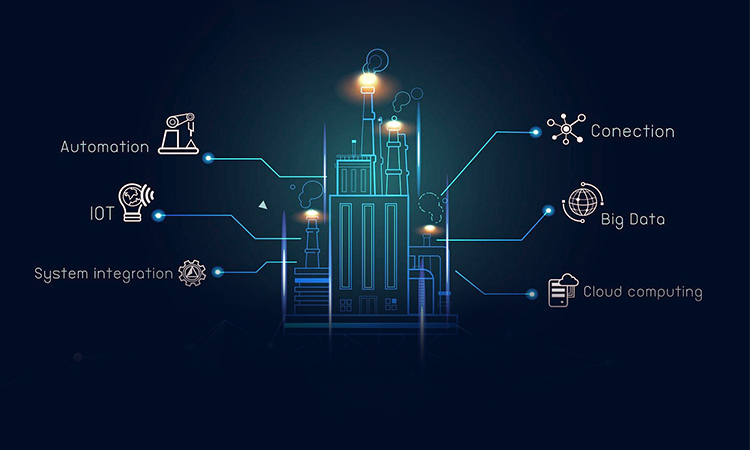
For years now, Industry 4.0 has set a vision of smart factories running on edge and cloud computing infrastructure, automated, connected systems, real-time data and advanced analytical capabilities driving crucial decisions. This aspirational roadmap has prompted organisations to embark on transforming operational productivity, efficiency, and agility – they see it as fundamental to capacity-building and sustained competitiveness in dynamic environments.
Today, manufacturers cannot negotiate this transformation without relying on advanced digital, data, and AI technologies for decision-making and process optimisation at minimal downtime. Legacy integration and data readiness have emerged as focal areas for AI implementation success and in turn, Industry 4.0 readiness.

Lead Client Partner & Automotive Industry Leader IBM
IBM Consulting , India & South Asia
The building blocks of smart manufacturing and the gaps
The transition to smart manufacturing requires major transformation in business strategy, operations, as well as talent availability. However, while the vast potential of Industry 4.0 is undeniable, it has been only partially fulfilled on the ground. IBM’s recent study on the state of Industry 4.0 in APAC found that despite their interest and investment in smart manufacturing, many organisations in the APAC region are yet to consider a comprehensive AI-driven transformation approach.
The study found only 10% of surveyed organizations have a fully embedded Industry 4.0 strategy, while 70% have strategies without execution, siloed plans, or isolated pilots, risking fragmented and ineffective progress
With respect to talent development and workforce readiness for Industry 4.0, only 26% run formal upskilling or change-management programs, leaving only 16% confident in their in-house expertise. A significant percentage relied on a reactive approach, informal training initiatives, or tended to disregard the need for new skills and mindsets. As a result, many of these organisations have achieved only fragmented development while creating inequalities in digital knowhow within their workforce. Digging deeper into the gaps reveals the demand for assured data quality, scalability of pilot applications, and addressing talent shortage. But these nuanced deterrents tend to get overshadowed by the enormity of the integration and fragmented data challenges. While this may work as a short-term tactic, it may not serve the organisation’s long-term transformation needs. Realising smart manufacturing in India
With an ambitious ‘Make in India’ vision and the need to intensify manufacturing’s GDP contribution, it is heartening to see domestic manufacturing businesses take to AI and Industry 4.0 technologies in a big way. While India leads APAC nations in its strategic alignment with smart manufacturing, IBM’s study suggests there is scope for Indian manufacturers to direct further improvement efforts in the key areas of digital foundations and client experience.
Without doubt, the journey towards a successful Industry 4.0 adoption is riddled with strategic, tactical, and talent barriers that prevent tangible and sustainable transformation. A fragmented approach restricted to key departments/units will further limit the transformation potential. On the other hand, a holistic yet nuanced strategy will knit together dynamic business goals with tech implementation and talent development roadmaps.
The elements of an integrated strategy for Industry 4.0 include:
• A clear vision that is well-articulated and communicated across the board to improve alignment and intent with business goals and all internal stakeholders.
• Priorities driven by data insights, business objectives, and ROI to improve focus on use cases that actually deliver value and not just trends.
• Moving from fragmented activities to cross-functional working and knowledge-sharing to ensure the transformation is seamless and consistent across the organisation
• Continuous training and upskilling within a culture of digital readiness to bring the workforce up to speed on the massive organisational changes that will be ongoing.
These factors and a unified strategy will drive capabilities in advanced technologies, iterative development, proactive innovation, and agility that form the bedrock of adaptability and competitiveness in a rapidly changing environment.